
Accountants for Architecture, Engineering and Design Firms

When project managers understand the financial impact of their decisions, they make better daily choices that support the firm’s profitability and financial health. All Bright Ideas clients get automatic access to FreeAgent – the UK’s #1 small business accounting software. Used by more than 60,000 freelancers, contractors, unearned revenue and small businesses, it helps to improve efficiency and ensure compliance with Making Tax Digital.
Our Services

Of special note is that those last two items—salaries and related expenses, rents and other overhead—need to be paid when due, not just when, in this case three months later, the client pays the firm. All firms are paying salaries and overhead expenses well in advance of actually being paid themselves. This leads to a term called “working capital”—the cash that needs to be invested to keep a firm “working” until it gets paid—that will be further discussed later.
- The income statement has only one category in which to record revenue and four categories in which to record expenses.
- Experience expert accounting services without breaking the bank, allowing you to invest more money in your projects.
- There are so many more insights you can get, from who your highest-performing employees are to which types of projects your firm should focus on.
- Organizations supplying accounting and architectural talent to U.S. clients need to adjust their positioning.
- Tailored accounting solutions that align perfectly with the unique needs of architects and diverse sectors.
- There are a lot of benefits for architects to start adopting accounting software.
Take control of your time and finances so you can focus on design
- While project accounting digs deep into the details of each project, standard accounting gives a broader view of the firm’s financial position.
- Basic expense tracking capabilities provide a method for charging incidental costs back to the client.
- Specialised financial services for the architecture and engineering industries are offered by Meru Accounting.
- Small and medium-sized businesses are particularly susceptible to internal fraud and attacks from cybercriminals.
- The following are some of the most common and important challenges faced by business leaders in the AEC industry.
While project accounting digs deep into bookkeeping for architects the details of each project, standard accounting gives a broader view of the firm’s financial position. In architectural firms, billing is usually tied to project phases or milestones, rather than traditional hourly billing. This makes tracking progress critical for accurate invoicing and cash flow management. Yes, Bench Accounting has extensive experience in managing books specifically for architectural firms. Our team of expert bookkeepers understands the unique financial intricacies of this industry, enabling us to provide tailored bookkeeping solutions.
Fast Financial Help for Tight Deadlines

We’ve helped firms with various accounting, tax and business consulting services, such as Federal Acquisition Regulation (FAR) audits, overhead rate audits, financial statements, billing rates and more. We bring in-depth knowledge and experience about how A/E firms work and the industry challenges that they face. Architectural firms deal with complex financial workflows- staggered payments, design-phase billing, consultant coordination, and long project timelines. That’s why Orbit offers specialized bookkeeping for architects and accounting support for architecture firms. We help track every cost tied to your builds, from vendor invoices to reimbursable expenses while ensuring your billing stays aligned with each phase of work. Whether you’re running a design studio or a full-service architect-builder firm, we manage the financial details so you can focus on your craft.

From the moment you contact us, we keep you informed every step of the way, ensuring simple and affordable solutions for all your financial concerns. To learn more about the accounting, tax and consulting services we provide to architecture and engineering firms, please contact us. Your projects may stretch across months—or years—but your finances need to stay consistent throughout. We keep your books updated as work progresses, ensuring every expense is tracked and properly categorized. Our experts in accounting for architects help you meet all your tax deadlines with confidence and without last-minute chaos. Architectural firms must comply with IRS tax regulations, which include tracking deductible business expenses, managing payroll, and handling payments to subcontractors.
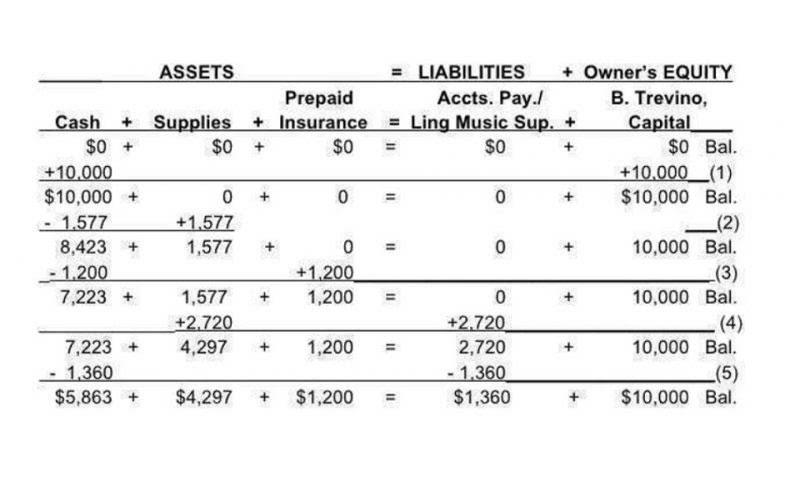
On paper, a glance at your balance sheet will give you a good idea of what your company looks like. However, you can use a spreadsheet to record transactions and calculate your company’s financial position to get the most out of your account. One of the basic principles of accounting is that the purpose of the bookkeeping system is to keep track of and record an organization’s financial activity. The aim is not to tell the story of the organization’s QuickBooks Accountant activities but to make the actions understandable and valuable to its owners. Tailored accounting solutions that align perfectly with the unique needs of architects and diverse sectors. Strategic succession planning to secure your business’s future continuity and success.
Generally, however, pricing can range from a few hundred dollars up to several thousand dollars per month. Features such as tracking project costs, time billing, invoicing, billing, payroll management, job costing, and expense tracking are generally included in most accounting software packages designed for architects. Depending on the provider, additional features such as document management, job scheduling and estimating may also be available. Sage Intacct is a cloud-based financial management platform designed for scalability, making it well-suited for larger firms prioritizing advanced accounting and financial reporting. Our services are specifically designed to address the unique financial and operational challenges faced by architectural firms, including project-based accounting, strategic tax planning, and compliance management.